English
 Arabic











Detect automatically using GPS


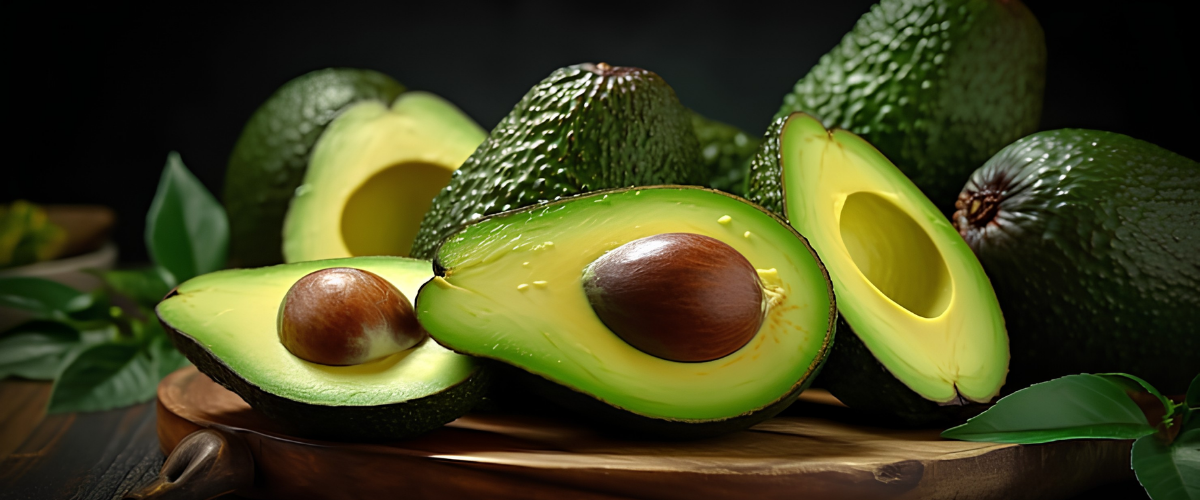
Creamy, versatile and surprisingly nutrient-dense, avocado has become a favourite far beyond guacamole and avocado toast.
But is avocado actually good for you? What makes its fat different from the fats found in many other foods? How many calories does an avocado contain? And is eating avocado every day a healthy habit?
The short answer: avocado can be an excellent addition to a balanced diet, particularly because it combines monounsaturated fat, dietary fiber, potassium and several vitamins and minerals in one food. However, it is also relatively calorie-dense, so portion size and what you eat it instead of matter.
Here is what you need to know about the avocado health benefits, its nutrition profile and practical ways to include it in your daily diet.
Unlike most fruits, avocado is relatively high in fat and low in sugar. Much of its fat is monounsaturated fat, particularly oleic acid.
That combination makes avocado different from many other fruits. It also contains fiber, potassium, folate, vitamin K, vitamin E, vitamin C, vitamin B6 and copper.
This is why avocado is often described as a nutrient-dense food: it provides a range of useful nutrients rather than simply adding calories.
Avocado nutrition at a glance
A 100-gram serving of avocado provides approximately:
| Nutrient | Approximate amount |
| Calories | 160 kcal |
| Fat | 14.7 g |
| Carbohydrates | 8.5 g |
| Dietary fiber | 6.7 g |
| Protein | 2 g |
| Sugar | 0.7 g |
It also provides important amounts of vitamin K, vitamin E, vitamin C, vitamin B6, folate, potassium and copper.
The exact nutritional value can vary according to variety, size and serving size.
One of the most talked-about avocado benefits is its high content of monounsaturated fats.
The American Heart Association recommends choosing unsaturated fats in place of saturated fats as part of a heart-healthy eating pattern. Avocado is one food that can help make that substitution.
For example, replacing some butter or other foods high in saturated fat with mashed avocado can be a practical way to include more unsaturated fat in your diet.
Avocado for heart health is an area of considerable research interest.
A large Harvard study involving more than 110,000 health professionals found that people who consumed at least two servings of avocado per week had a lower risk of cardiovascular disease than those who rarely ate avocado. The study was observational, so it shows an association rather than proving that avocado alone prevents heart disease.
The potential benefit may come from the combination of unsaturated fat, fiber, potassium and other nutrients found in avocado.
The important takeaway is not simply to "eat more avocado," but to use it as part of an overall healthy dietary pattern.
Avocado is an excellent source of dietary fiber.
Around 100 grams provides approximately 6.7 grams of fiber. Fiber supports normal bowel function and can contribute to fullness after meals.
Fiber is also important for cardiovascular and metabolic health. The World Health Organization recommends that people over age 10 consume at least 25 grams of naturally occurring dietary fiber per day.
This makes avocado a useful ingredient when building a more fiber-rich diet.
The avocado fiber benefits extend to digestive health.
Avocado contains both soluble and insoluble forms of fiber. Fiber can help support regular bowel movements, while certain fibers can also interact with the gut microbiome.
Research examining avocado consumption has also found changes in gut microbiota and related metabolites, although more research is needed before making strong claims about specific digestive outcomes.
If you are increasing your fiber intake, do it gradually and drink enough fluids.
When people think about potassium-rich foods, bananas often get all the attention. Avocado deserves consideration too.
Potassium is an essential electrolyte involved in nerve signalling, muscle function and blood pressure regulation. Avocado also supplies magnesium and copper.
Adding potassium-rich plant foods to a varied diet can therefore contribute to overall nutritional quality.
Avocado contains several vitamins and plant compounds, including vitamin E, vitamin K, vitamin C, folate, lutein and zeaxanthin.
These nutrients perform different functions in the body. For example, vitamin E contributes antioxidant activity, vitamin K is involved in normal blood clotting, and folate plays an important role in cell division.
Rather than focusing on a single "superfood," it is better to include avocado alongside a variety of fruits, vegetables, whole grains, legumes, nuts and other nutrient-rich foods.
The combination of fat and fiber makes avocado naturally filling.
This can make it useful in meals where you want a creamy texture and greater staying power without relying heavily on butter, creamy sauces or other foods high in saturated fat.
However, avocado is not a low-calorie food. A healthy approach is to substitute it for another ingredient, rather than simply adding large quantities on top of your normal diet. Harvard Health specifically recommends this substitution approach.
Avocado is one of the easiest fruits to incorporate into everyday meals.
Try these simple ideas:
Spread mashed avocado on whole-grain toast.
Add sliced avocado to eggs.
Blend a small portion into a smoothie.
Add avocado to a chicken or vegetable sandwich.
Dice it into a grain bowl.
Add it to a mixed salad with tomatoes, cucumber and leafy greens.
Use avocado as a topping for tacos or grilled vegetables.
Make a simple guacamole with lime, coriander and tomato.
Add avocado to a nutritious bowl with beans and whole grains.
Keep it simple: sliced avocado with a little lemon or lime juice and seasoning can make a satisfying snack.
When buying fresh avocado, look for:
Firm but not rock-hard: If you want to eat it soon, choose fruit that gives slightly to gentle pressure.
No major bruising: Avoid fruit with extensive soft spots or damaged skin.
Consider your timing: Firm avocados may need time to ripen, while ready-to-eat avocados are better when you plan to use them immediately.
NRTC Fresh currently lists Avocado Green/Fuerte 1Kg from Kenya in its UAE online fresh-produce range.
For UAE shoppers, buying the quantity that matches your consumption can also help reduce unnecessary food waste.
Use avocado instead of butter, creamy spreads or other higher-saturated-fat ingredients where appropriate.
Healthy fats are still calorie-dense.
Add it to salads, tomatoes, leafy greens and other colorful produce for a nutrient-rich meal.
Current dietary guidance emphasizes variety, minimally processed foods, vegetables, fruits, fiber and healthier unsaturated fats rather than one food doing all the work.
This makes avocado easier to incorporate into everyday meals while reducing waste.
Avocado is healthy for most people, but more is not always better.
Because it contains significant calories and fat, eating several whole avocados on top of an already calorie-rich diet may increase total energy intake.
People taking warfarin or other medications affected by vitamin K should discuss significant dietary changes with their healthcare professional. People with digestive sensitivities may also need to adjust their portion size.
Nutrition needs are individual, so this article should not replace advice from a qualified healthcare professional.
So, what are the main avocado health benefits?
Avocado provides a valuable combination of healthy monounsaturated fats, dietary fiber, potassium, vitamins, minerals and plant compounds. It can support a nutrient-rich eating pattern, contribute to heart-friendly fat choices and make meals more satisfying.
The smartest way to enjoy avocado is simple: choose a reasonable portion, use it in place of less nutritious ingredients when possible, and combine it with a wide variety of other whole foods.
If you are looking for fresh avocado in the UAE, NRTC Fresh offers Avocado Green/Fuerte as part of its online fresh-fruit selection.
1. Is avocado healthy to eat every day?
For many people, avocado can be included daily as part of a balanced diet. Portion size matters because avocado is relatively calorie-dense. It is generally better to use it as a substitute for less healthy ingredients rather than simply adding it to an already calorie-rich diet.
2. What are the main avocado health benefits?
The main benefits relate to its combination of monounsaturated fat, fiber, potassium, folate, vitamin E, vitamin K and other nutrients. These nutrients can contribute to a healthy overall dietary pattern.
3. Is avocado good for heart health?
Avocado can fit into a heart-healthy diet because it provides unsaturated fat and fiber. A large observational study found that eating at least two servings of avocado per week was associated with a lower risk of cardiovascular disease. This does not prove that avocado alone prevents heart disease.
4. How much avocado should I eat per day?
There is no universal daily serving for everyone. A moderate portion, such as part of an avocado, can fit into many balanced diets. Your ideal portion depends on your overall calorie and nutritional needs.
5. How many calories are in half an avocado?
Half an avocado can contain roughly 130–160 calories depending on its size and variety. A 100-gram serving contains approximately 160 calories.
6. Does avocado help digestion?
Avocado is a good source of dietary fiber, which supports normal digestion and bowel regularity. Around 100 grams provides approximately 6.7 grams of fiber.
7. Is avocado high in potassium?
Yes. Avocado is a useful plant source of potassium, an essential mineral involved in fluid balance, nerve function, muscle function and blood pressure regulation.
8. What is the healthiest way to eat avocado?
Simple preparations such as adding fresh avocado to salads, whole-grain toast, grain bowls or vegetables are good options. Using avocado in place of butter or other saturated-fat-rich spreads can also improve the overall fat profile of a meal.
Enjoy fresh, quality avocado for breakfast, salads, sandwiches, smoothies and everyday meals.
Shop Fresh Avocado Green at NRTC Fresh
NRTC Fresh currently offers Avocado Green/Fuerte 1Kg from Kenya, with free delivery on orders above AED 70.